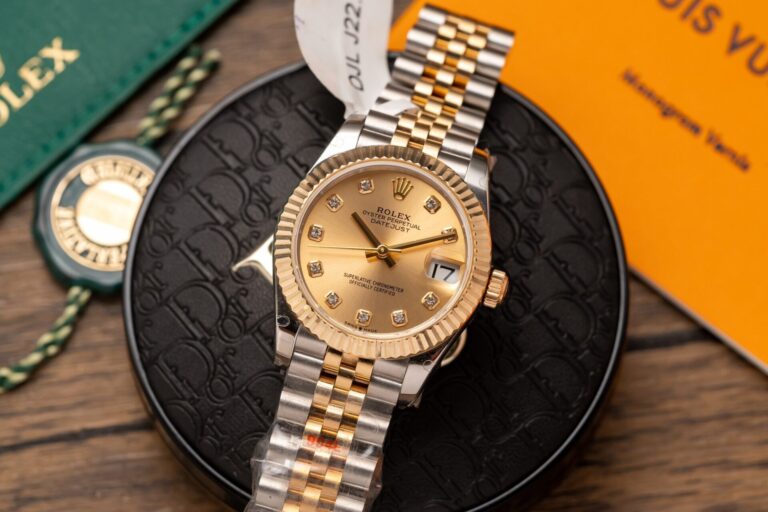
DateJust
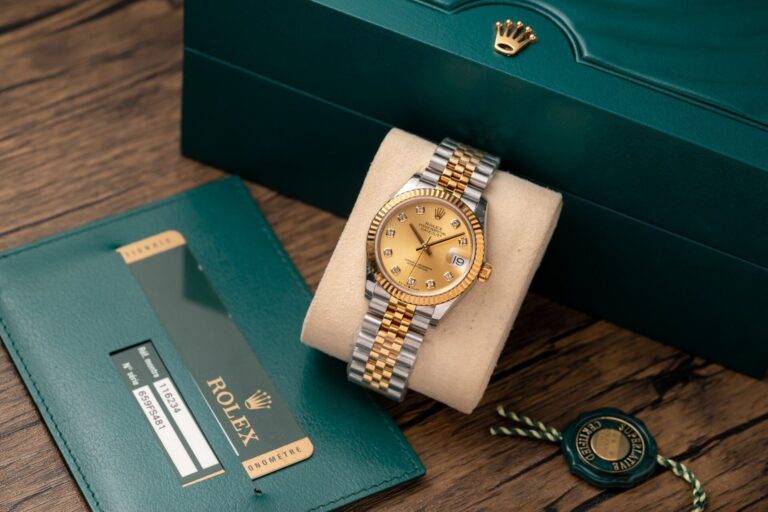
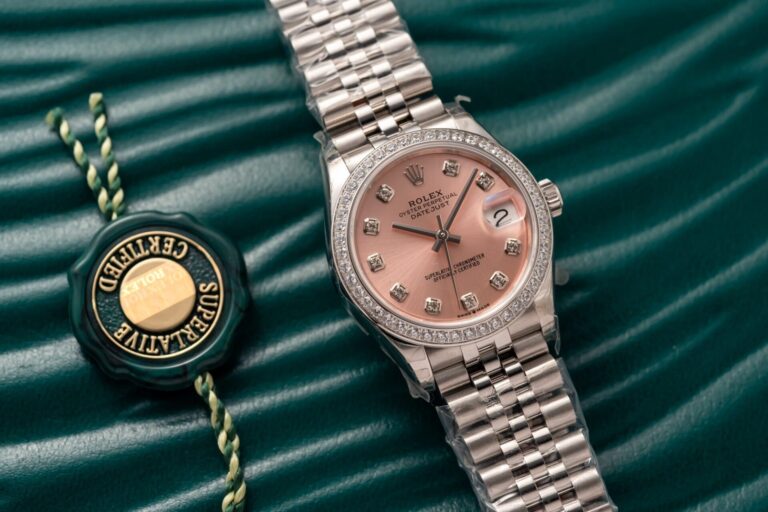
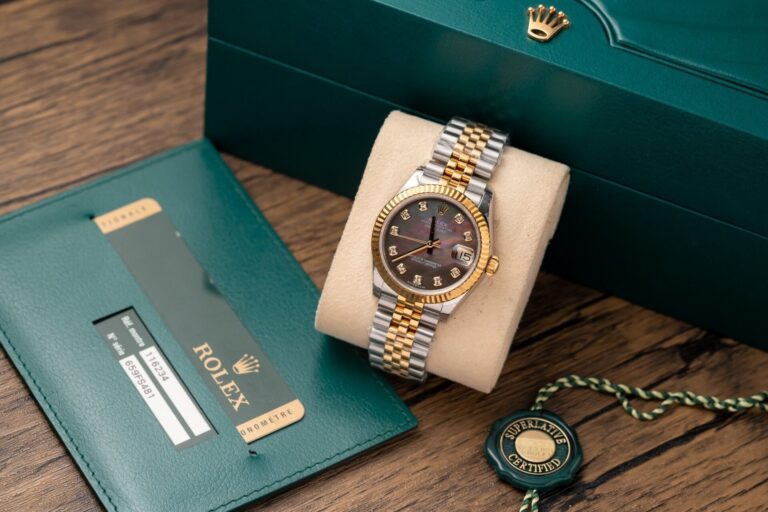
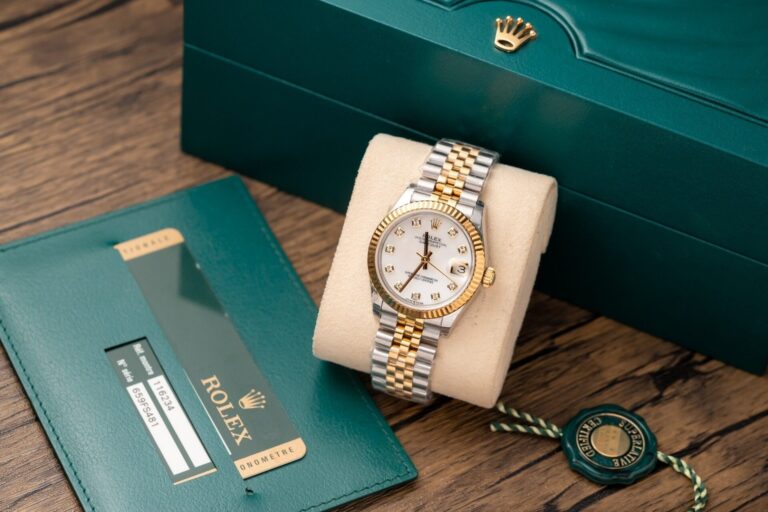
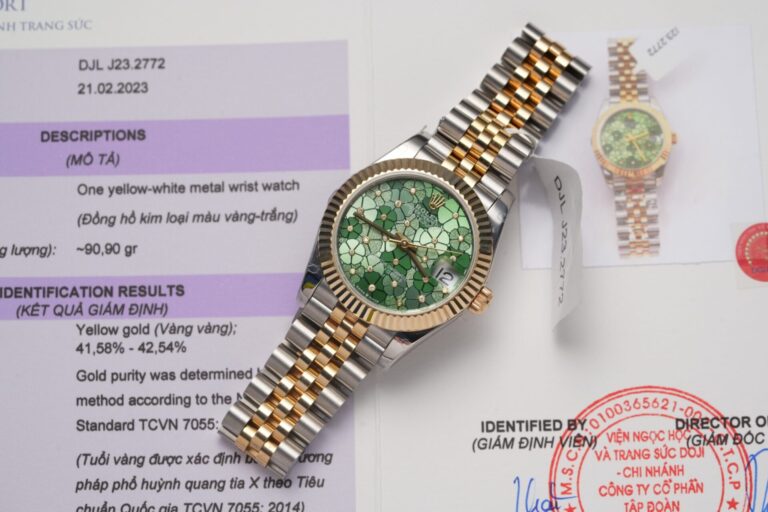
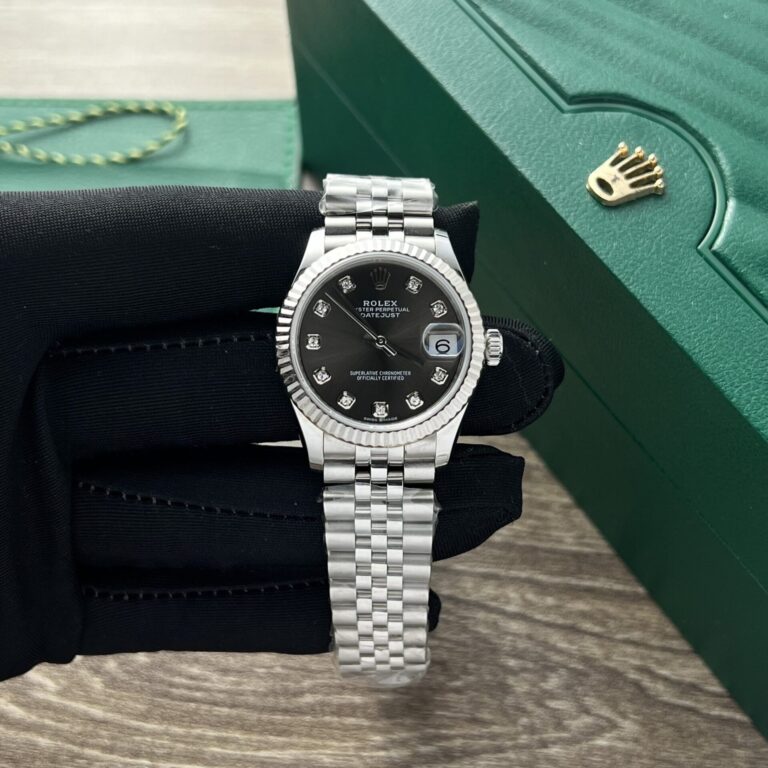
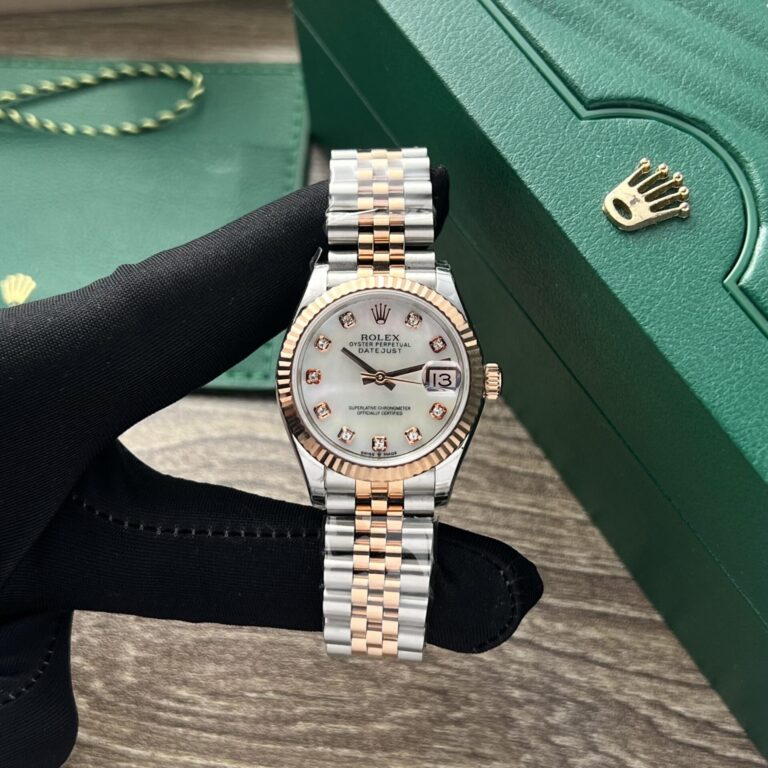
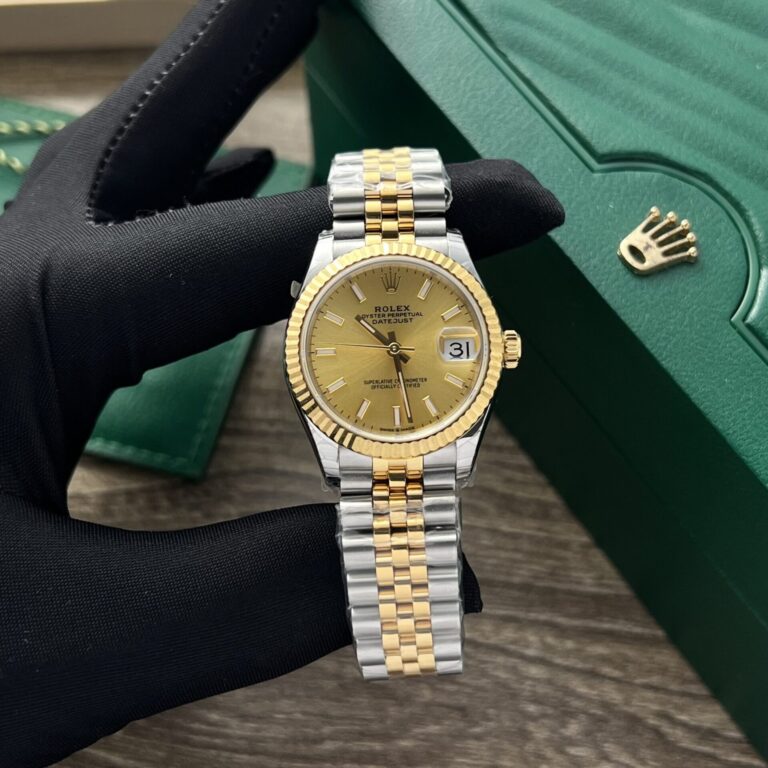
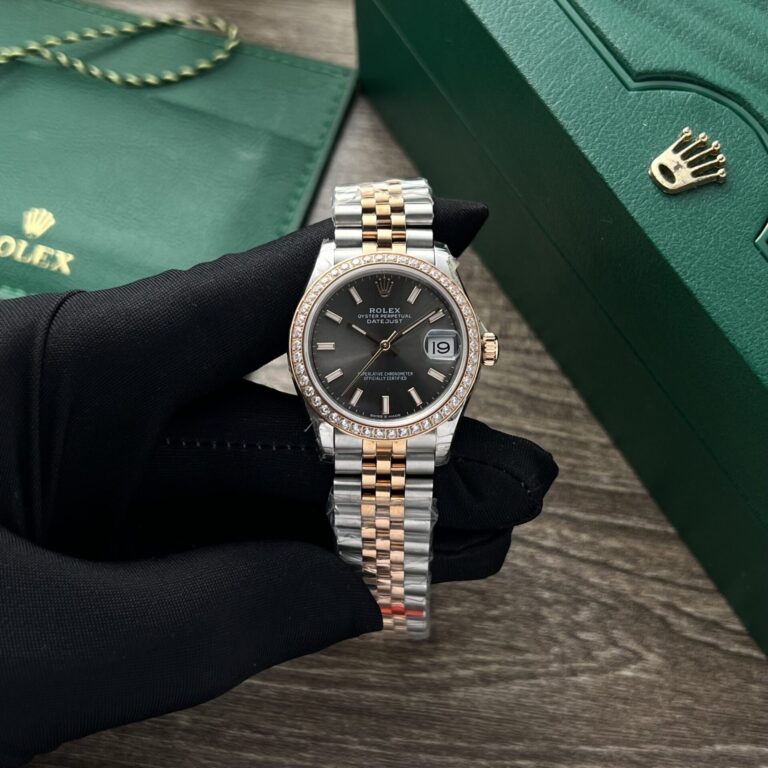
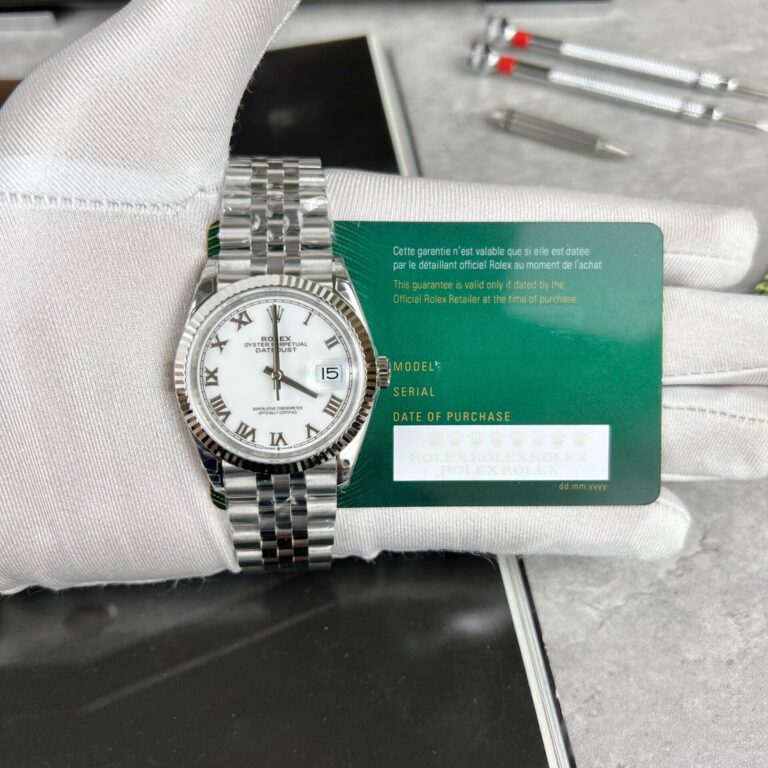
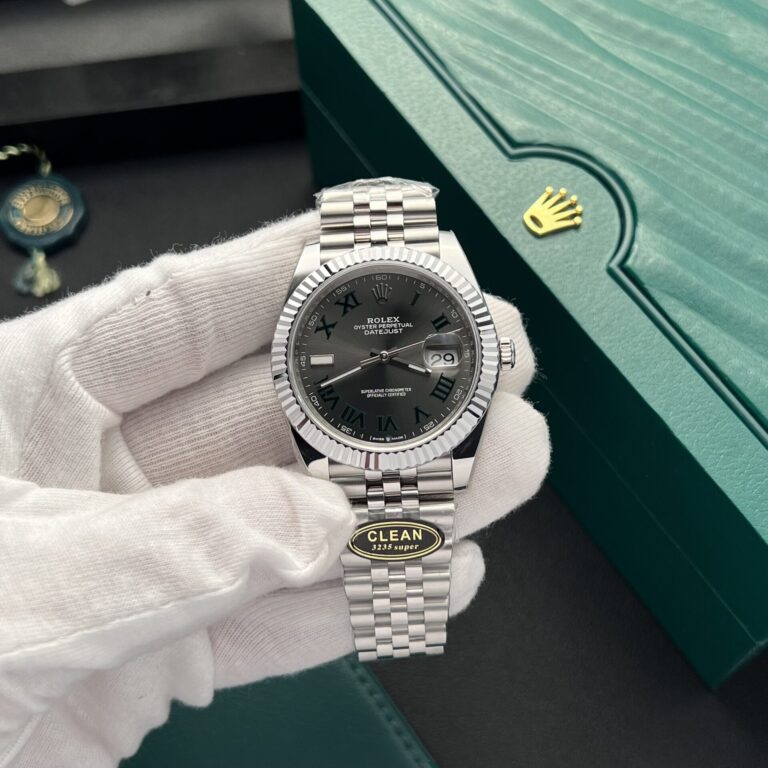
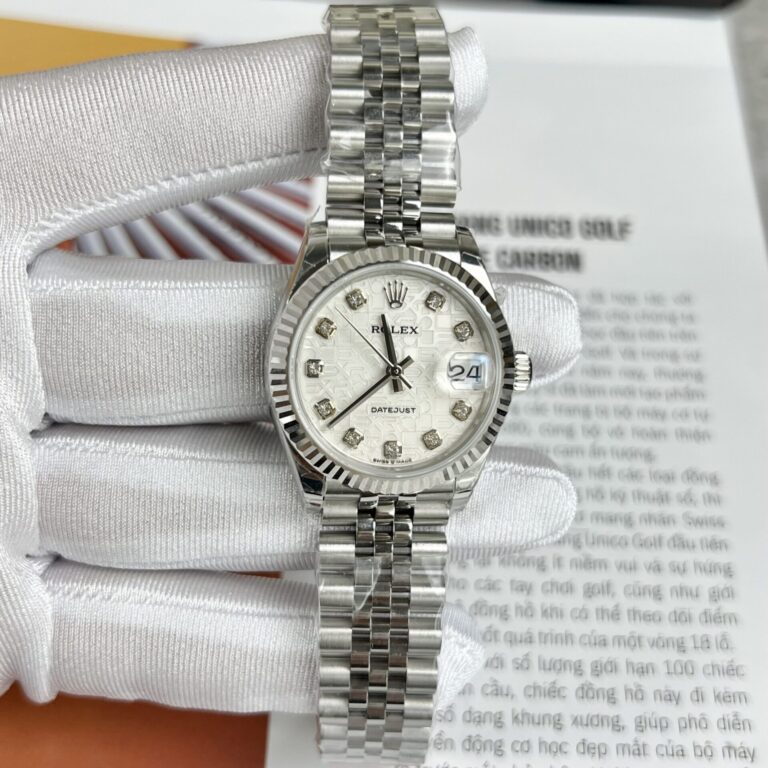
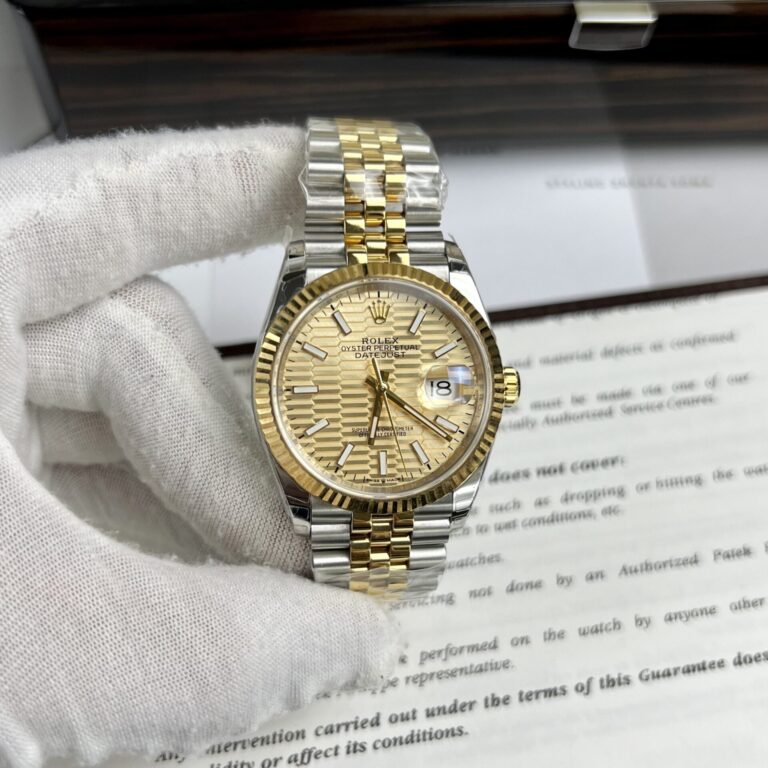
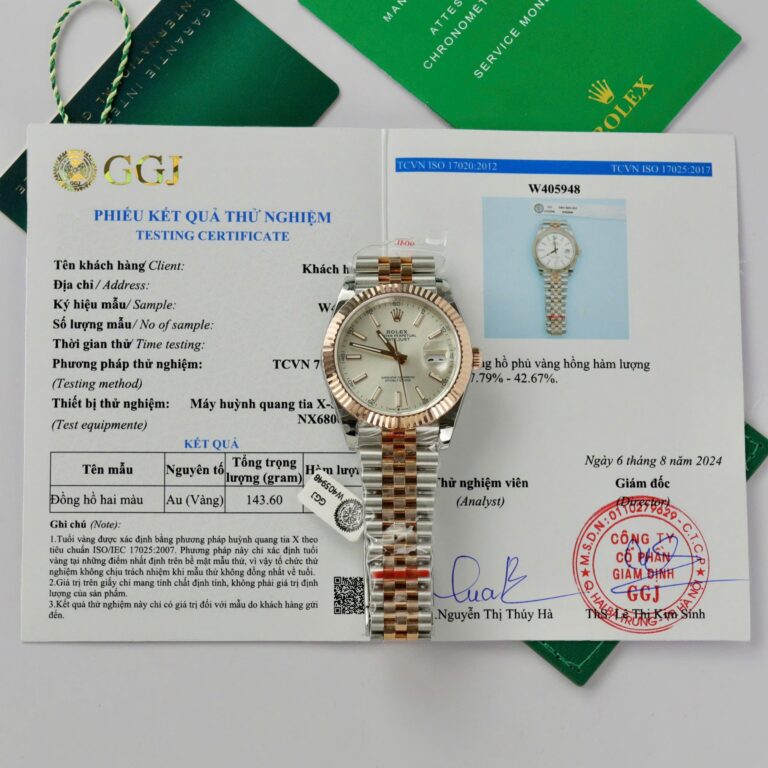
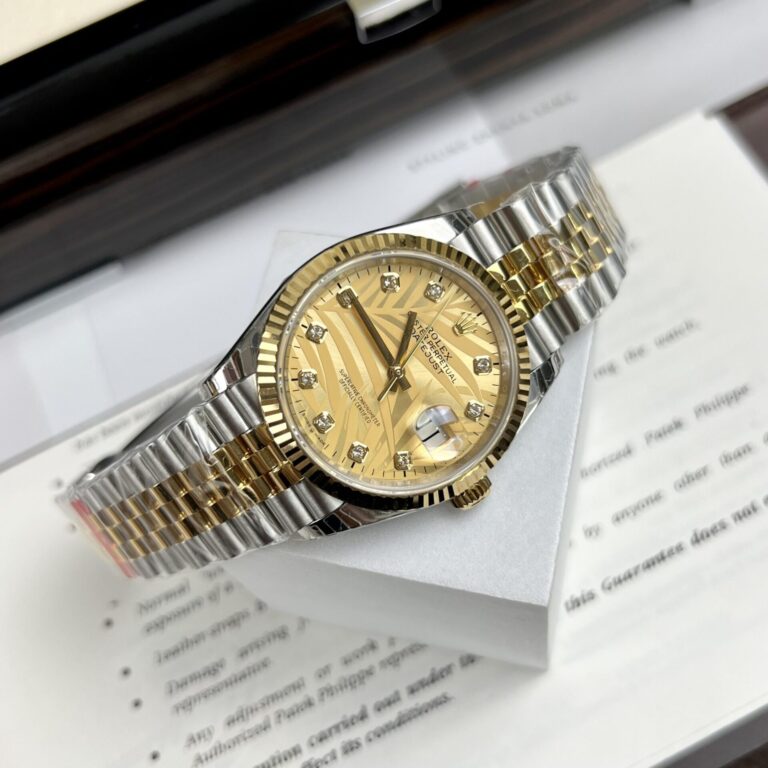
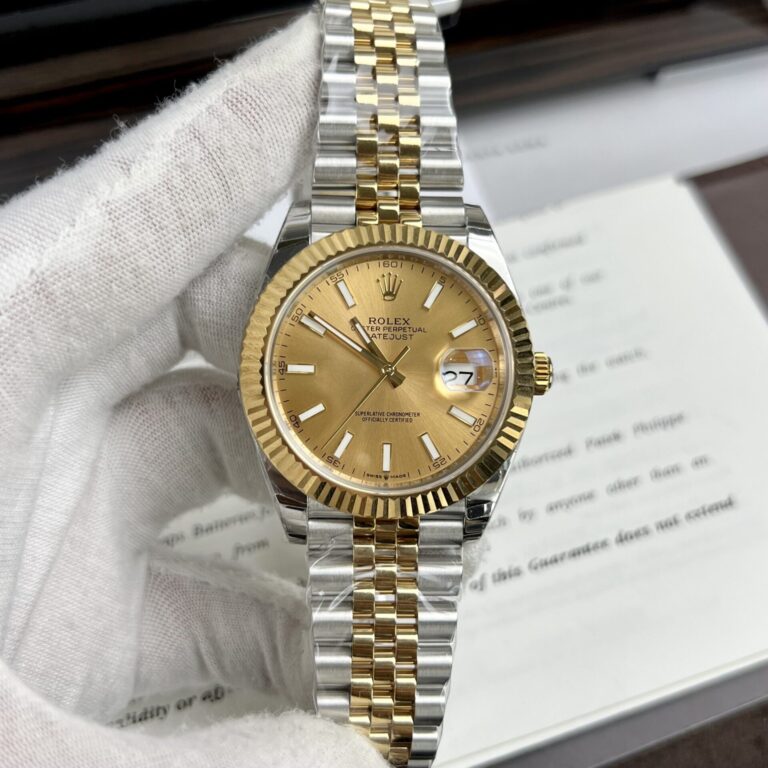
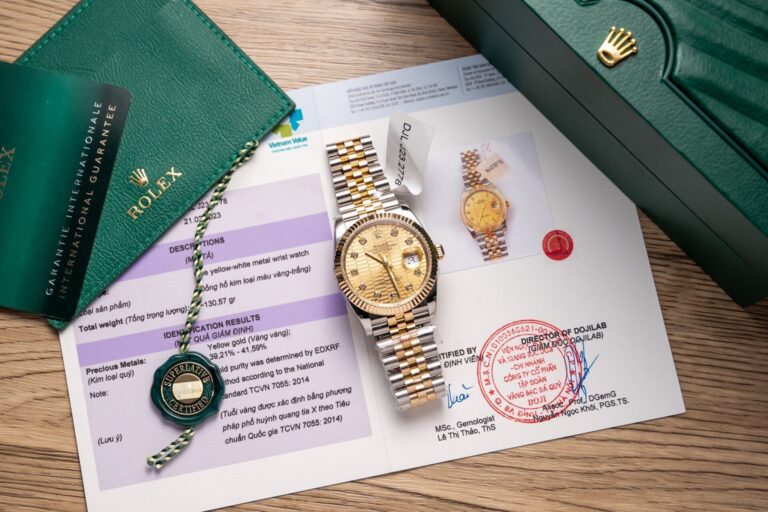
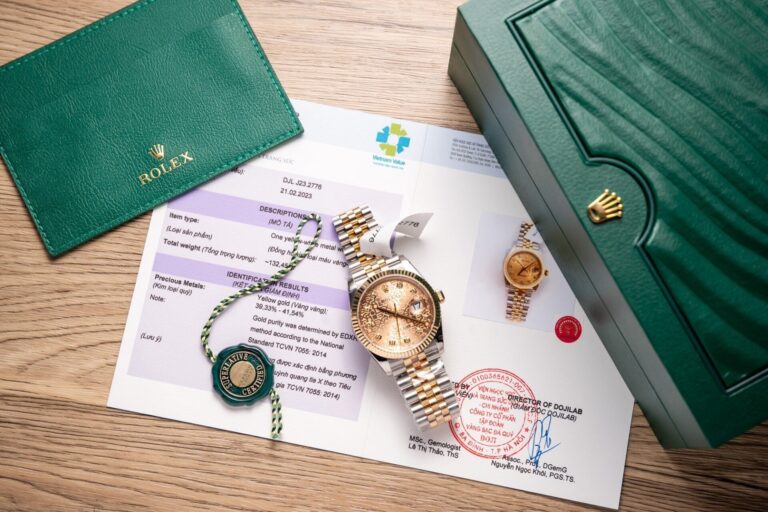
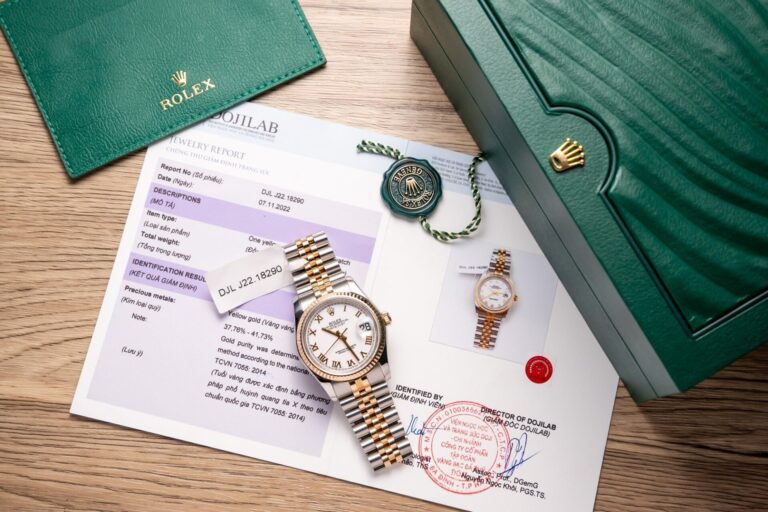
Rolex Datejust 31mm Gold Wrapped (GM Factory Super Clone) on Jubilee Strap
31 mm
Gold Wrapped
RLX-ROLEXDA-4316
Call: +1 (800) 729-2661
sales@replicawatchesco.com
The Datejust is one of those Rolex designs where small changes alter the whole watch. A 36mm case with a fluted bezel and Jubilee bracelet feels very different from a 41mm version on an Oyster bracelet, even though both belong to the same family.
That range is a big reason Rolex Datejust replica watches remain popular. You have more dial colors, bezel combinations, bracelet choices, and case sizes to sort through than with most Rolex sports models. The sheer number of combinations can also make shopping needlessly confusing.
At ReplicaWatchesCo.com, the more useful starting point is the configuration, not the factory name. Decide which size, dial, bezel, and bracelet you actually want. Once those details are fixed, comparing factory versions becomes much easier because you’re looking at the same kind of watch instead of comparing unrelated references.
Case size changes more than the number on the specification sheet. A 36mm Datejust keeps the older proportions people usually associate with the model. There is less dial area, the bezel has a stronger visual presence, and a Jubilee bracelet makes the entire watch feel more compact.
The 41mm Datejust opens the dial up quite a bit. Colors stand out more simply because there is more surface area, while the difference between a smooth bezel and a fluted one is easier to see from across the wrist. The larger case also feels more familiar to anyone used to modern sports watches.
Neither size wins automatically. Someone after the traditional Datejust shape may prefer 36mm, while a buyer accustomed to larger watches may find 41mm easier to wear.
A silver-dial 36mm on Jubilee has a quieter, more traditional look. A blue-dial 41mm on Oyster feels like a noticeably different watch. Those are different purchases, even with the same model name on the dial.
The bezel is one of the first decisions worth making.
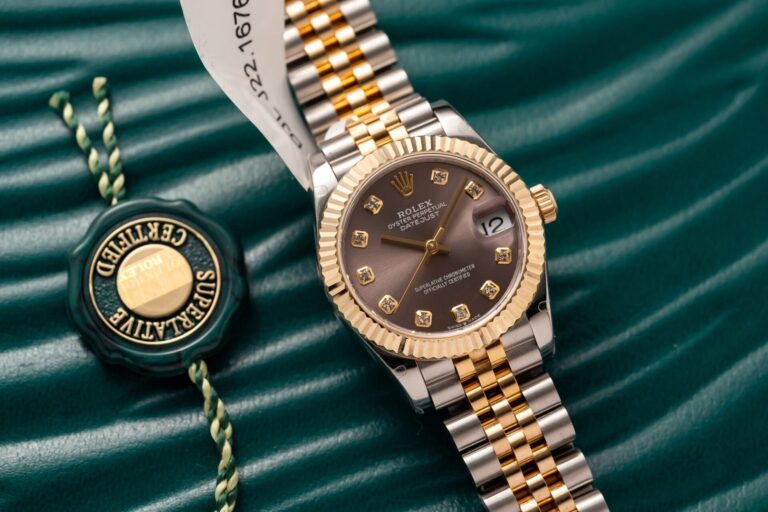
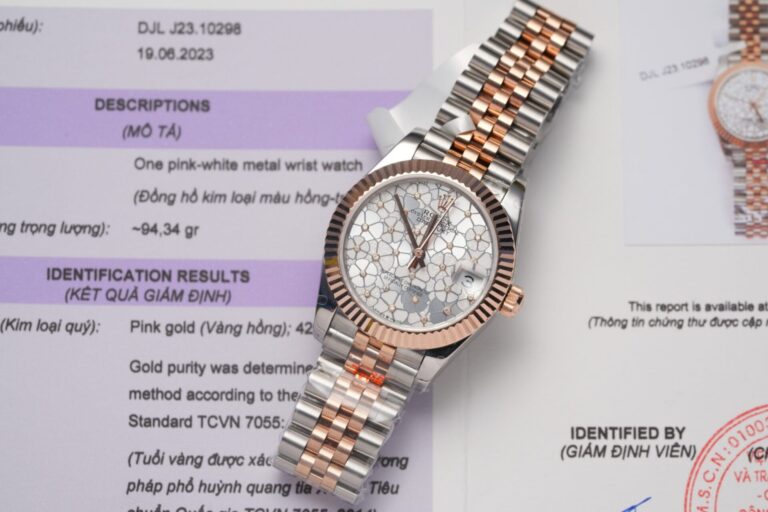
A fluted bezel catches light from almost every angle, giving even a fairly simple dial more texture. The effect becomes stronger with a Jubilee bracelet, where the polished links add another set of reflections.
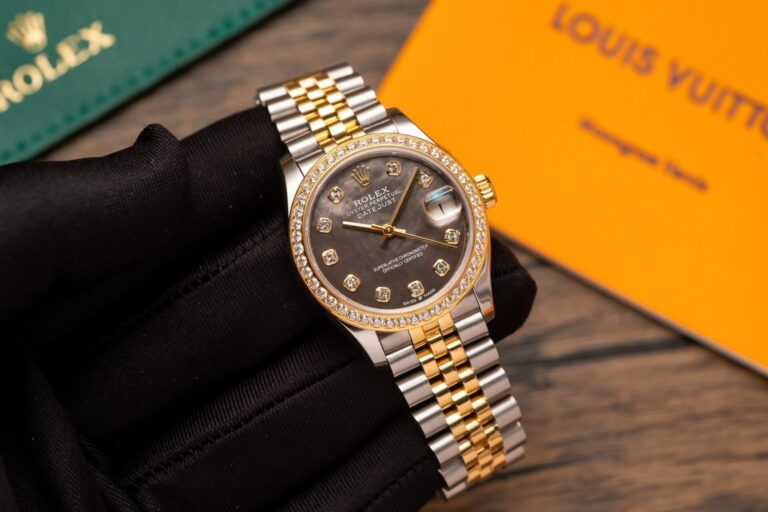
A smooth bezel goes in the opposite direction. There is less shine around the dial, and the case looks cleaner from a distance. That pairing works especially well with darker dials or an Oyster bracelet, where the dial and basic case shape do more of the visual work.
Product photos make this difference easy to underestimate. Two Datejust replicas with the same dial can look like completely different watches once one has a fluted bezel and the other has a smooth one.
On replica versions, inspect the bezel shape and finishing rather than stopping at the name in the listing. Look at the depth of the fluting, the sharpness of each section, and the transition into the case. Those details can affect the overall impression more than a tiny difference in dial printing.
The bracelet influences the Datejust almost as much as the bezel.
The five-link Jubilee-style bracelet adds texture and polished surfaces, which suits the dressier side of the watch, particularly with a fluted bezel.
The three-link Oyster-style bracelet looks simpler. That simplicity works well on smooth-bezel references or darker dials where the dial and case should carry more of the design.
Don’t judge the bracelet only from above.
Check the first links where it meets the case, then look at clasp alignment and the amount of play between the links. The polished sections should sit cleanly beside the brushed surfaces. End links that fit poorly can make an otherwise attractive watch feel unfinished as soon as it is on the wrist.
A good dial can’t hide a bracelet that feels poorly put together.
Datejust buyers have a lot of dial options. Blue, black, silver, green, champagne, and slate are only the beginning. Roman numerals, baton markers, diamond-style markers, and more decorative patterns change the character of the watch again.
Color accuracy is difficult to judge from one supplier photograph.
Blue shows the problem clearly. Under bright lighting it may look vivid, while indoors the same dial can appear much darker. Green and slate can shift even more depending on the light and the angle of the photograph.
Several photos are more useful than one front-facing shot. Look for the dial in different lighting, if those images are available, and compare the tone rather than trusting a single highly edited image.
Marker alignment deserves equal attention. The Datejust dial is relatively clean, so a crooked marker or poorly centered date stands out. Small errors have nowhere to hide in a simple layout.
The date is part of the model’s identity, so it deserves more attention than it sometimes receives.
Look at how the number sits inside the window. It shouldn’t appear obviously too high, too low, or pushed toward one side.
Don’t judge the font from whichever number happens to be showing in a product photograph. Check several dates when images or video make that possible. The numerals should look consistent rather than changing shape or weight from one number to the next.
The Cyclops magnifier adds another layer. Its position over the date window should look natural, and the crystal installation shouldn’t leave the magnifier visibly crooked.
These aren’t dramatic details.
That’s exactly why they matter on a Datejust. The rest of the design is restrained enough that small alignment problems become easy to see.
Many higher-grade Datejust replicas are marketed with movements based around the Rolex 3235 layout, while other automatic clone movements appear depending on the factory and version.
The movement name gives you a useful starting point, but it shouldn’t become the entire buying decision.
A calibre code won’t tell you how smoothly the crown operates on a specific watch. It won’t tell you whether the date setting feels clean or how that individual movement performs after several days of use.
Those are separate questions.
When movement information is available, compare the actual version used in that watch rather than assuming every movement with a similar number is identical. Crown operation, date change, winding, and general function deserve more attention than a movement name printed in a listing.
The name narrows the search; it doesn’t finish it.
Factory names appear on many Datejust replica listings, and that information has a practical use. Different factories may take different approaches to the case, dial, bezel, bracelet, or movement.
Still, choosing a factory before choosing the watch puts the comparison backward.
Start with something specific:
Datejust 41mm, blue dial, fluted bezel, Jubilee bracelet.
Now the factory names give you something concrete to compare.
Look at which current versions are available in that exact configuration. Compare the movement being used, the bezel, the dial color, the date position, and the bracelet.
A factory that produces an appealing 36mm silver-dial model may not offer the same strengths in a 41mm blue-dial version.
Asking which factory makes the “best Datejust” without naming the reference doesn’t get you very far. The answer depends on the watch being compared.
A Datejust offers plenty of small areas to inspect, but the order can stay simple.
Start with the dial and date. Marker spacing, printing, hand shape, and the position of the date are all visible without relying on extreme macro photographs.
Move to the bezel next. On a fluted model, symmetry and the shape of each section deserve attention. On a smooth-bezel model, finishing and the way the bezel meets the case become more noticeable.
The bracelet comes after that. Check end-link fit, clasp operation, link play, and the transition between polished and brushed surfaces.
These are the parts you’ll notice once the watch is actually being worn, especially if the bracelet rattles or the clasp sits off-center.
Movement functions belong in their own check when the relevant information is available. Crown operation, winding, date change, and general function are separate from the case and dial inspection, so a movement label shouldn’t stand in for them.
The Datejust becomes easier to shop once you stop treating it as one watch.
A 36mm silver-dial model on Jubilee isn’t trying to do the same job as a 41mm blue-dial watch on Oyster. The case, bezel, bracelet, and dial all work together.
Set the combination first:
Then compare the available versions of that configuration.
This approach cuts through a lot of unnecessary factory arguments and makes it easier to judge the actual watch in front of you.
ReplicaWatchesCo.com carries Rolex Datejust replica watches across different sizes, dial colors, bezel styles, bracelets, and factory versions. Start with the combination you want, then compare the versions available for that particular watch.
| Movement | |
| Case Material | |
| Diameter | |
| Thickness | |
| Bezel | |
| Crystal | |
| Power Reserve | |
| Waterproof |
Browse our collection of 1:1 CNC-milled clone timepieces and select a watch for precision regulation.
Explore The Collection →